1918 Spanish Flu Pandemic: The Virus That Infected One-Third Of The World
The Spanish influenza pandemic became one of the deadliest events in history. It infected as many as one in every four humans on the planet, and it resulted in an estimated 50–100 million deaths. The pandemic killed more people than World War I — and in a shorter amount of time.
March 05, 2020 15:00 GMT
- By Amos Chapple
The Spanish flu that spread around the world a century ago killing millions puts the coronavirus crisis in perspective.
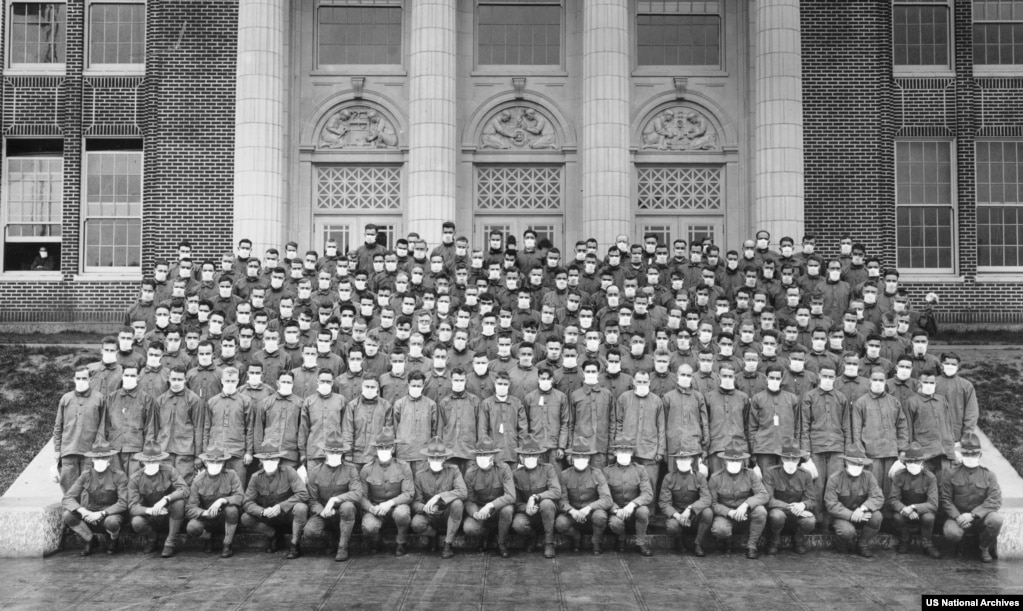
1 Members of the U.S. Army's Student Army Training corps wear "influenza masks" in October 1918 at the height of the deadliest pandemic in modern history.
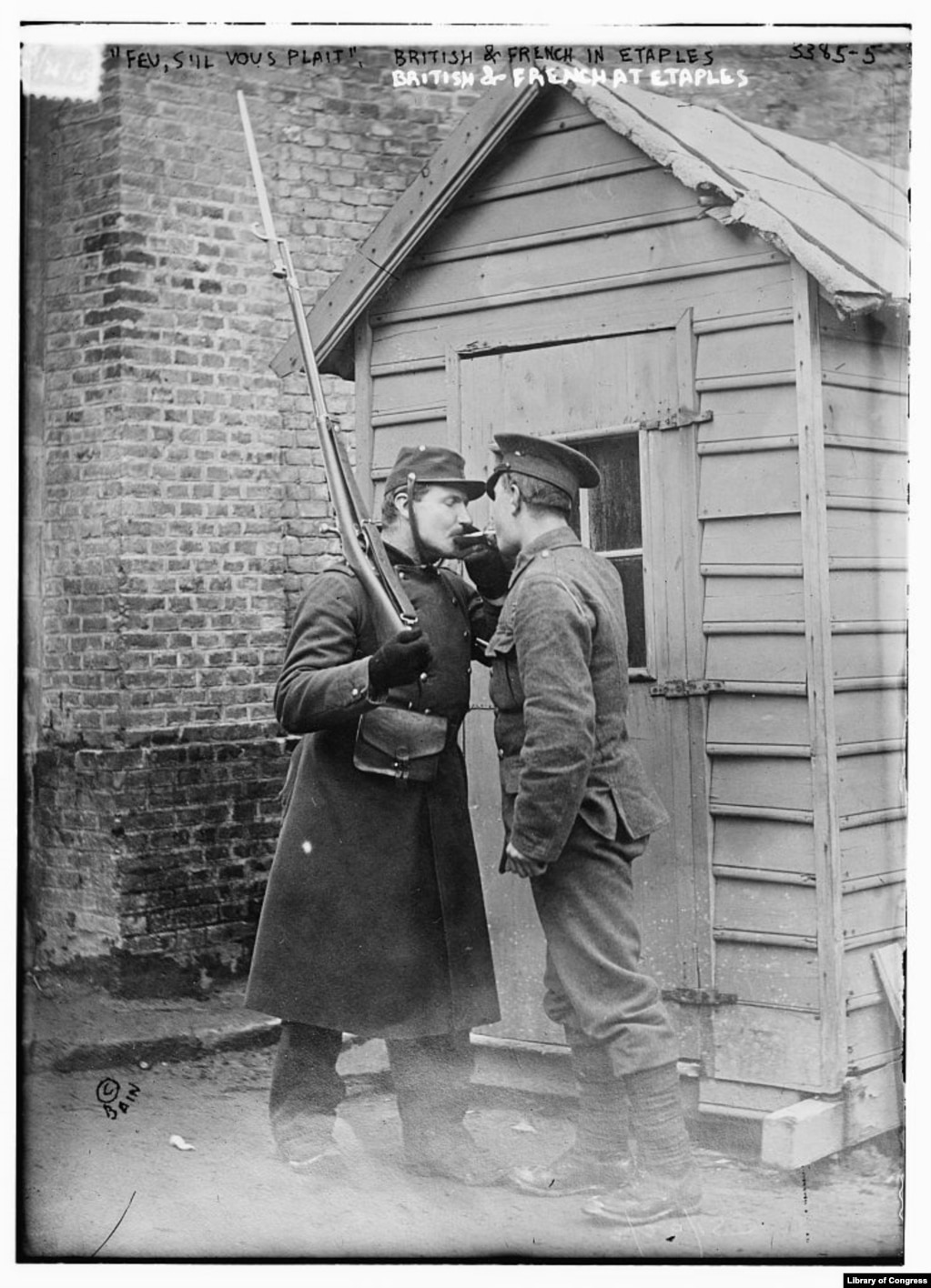
2 British and French soldiers light a cigarette at Etaples in northern France at the beginning of World War I. Although the source of the flu strain that devastated the world from 1918-1920 is disputed, many believe the pandemic began in this French military camp.

3 The Etaples camp (pictured in 1915) was filled by a constant rotation of war-fatigued soldiers and located alongside farms filled with ducks, geese, and pigs. Pig cells share similarities with both bird and human cells and the animals are known as intermediaries capable of passing virulent new influenzas from birds to people.
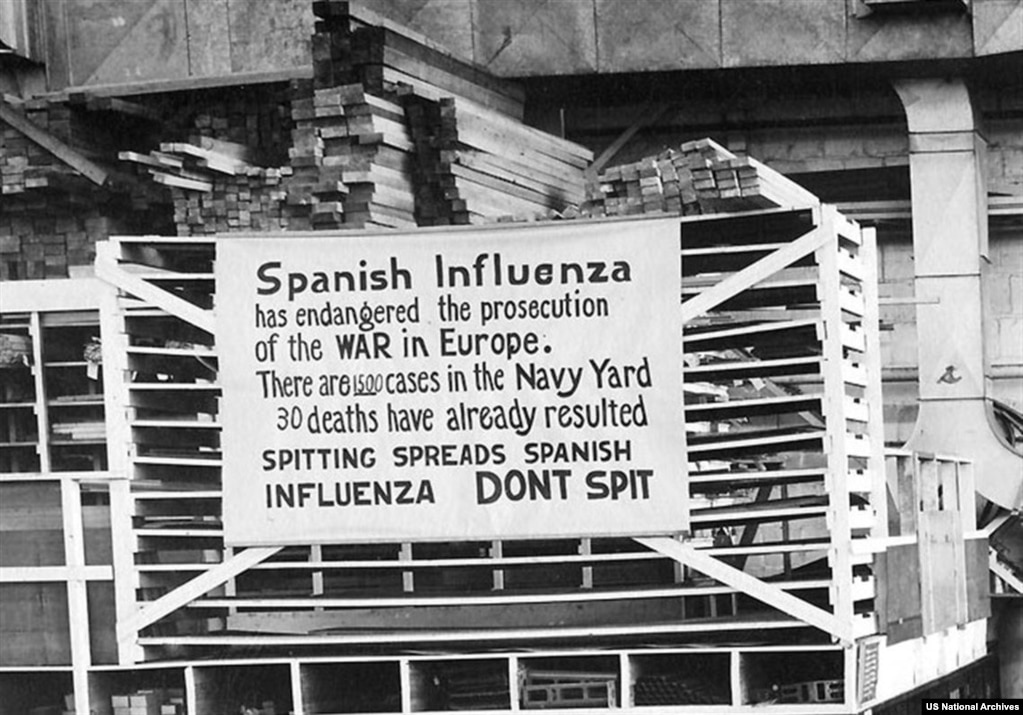
4 An "anti-spitting" sign in a U.S. Navy yard in 1918.
As the virus began to spread, it was dubbed the "Spanish Influenza" for the sole reason that most European countries had muzzled their news media to control the flow of information during the war. Since Spain was neutral and its media free at the time, the first reports of the lethal new illness emerged from there.
As the virus began to spread, it was dubbed the "Spanish Influenza" for the sole reason that most European countries had muzzled their news media to control the flow of information during the war. Since Spain was neutral and its media free at the time, the first reports of the lethal new illness emerged from there.
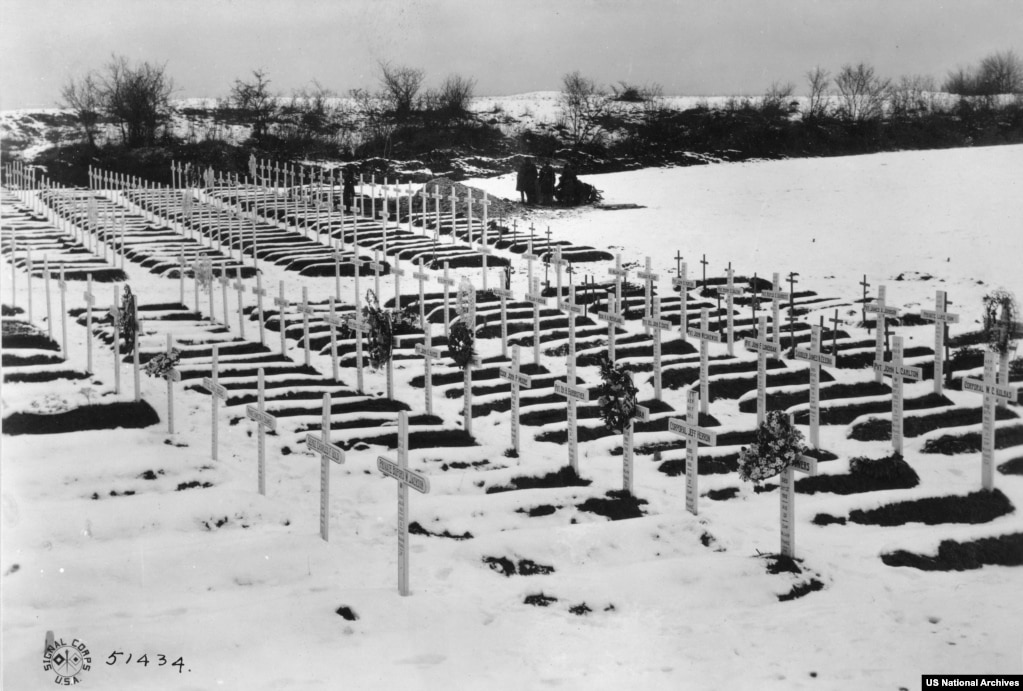
5 A grave for American victims of the virus in France
With mass movements of people involved in the war effort, the virus rapidly spread to nearly every corner of the world and infected an estimated one-third of the world's population.
With mass movements of people involved in the war effort, the virus rapidly spread to nearly every corner of the world and infected an estimated one-third of the world's population.
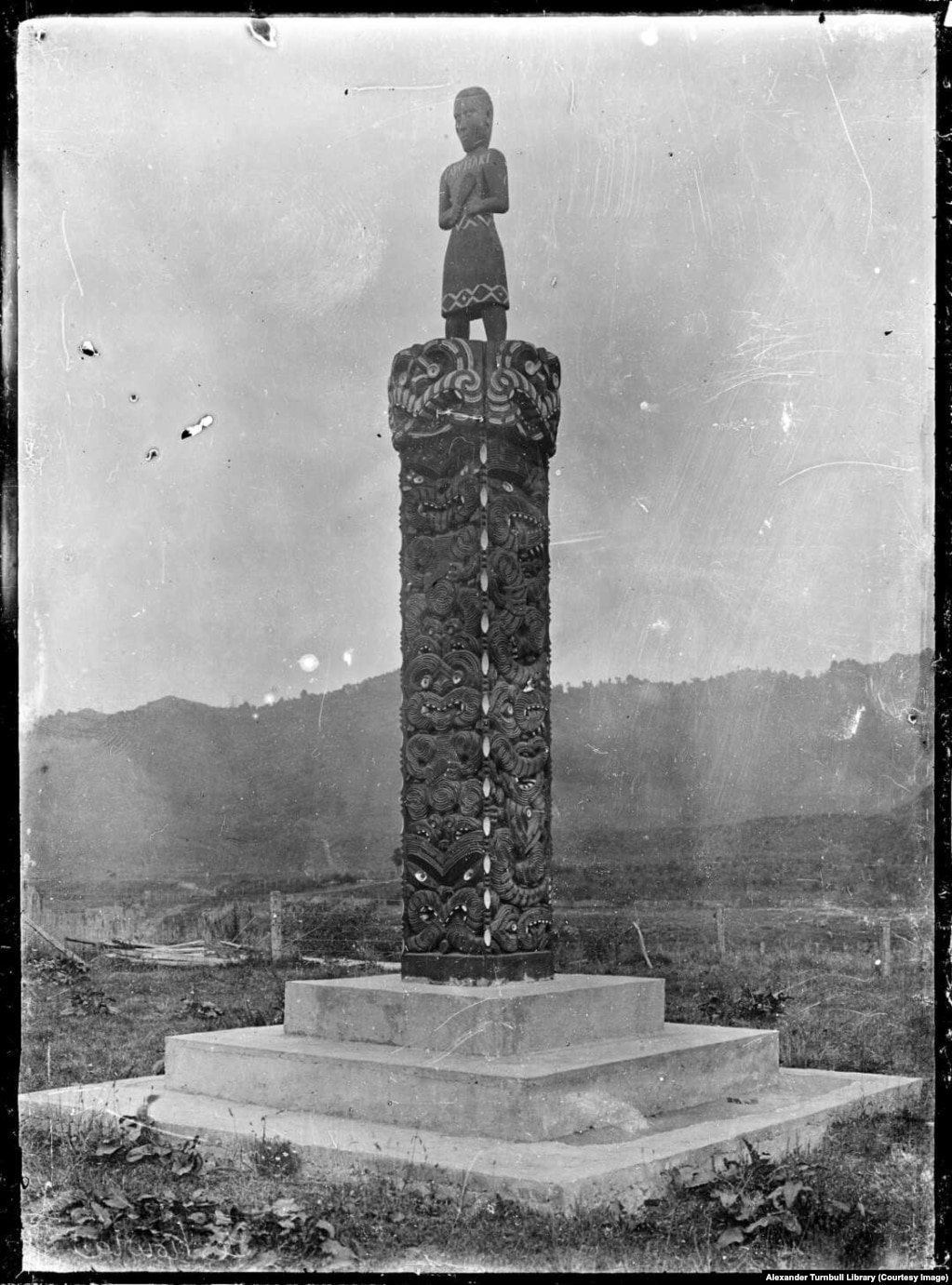
6 A Maori memorial to victims of the virus in New Zealand
From New Zealand the disease spread to the Pacific island of Samoa, where it killed a staggering 22 percent of the entire population of 38,000 within two months. In Iran, up to 2.4 million -- which would be more than 20 percent of its people -- are estimated to have died. Some 300,000 were killed by the pandemic in Brazil, including the country's president-elect.
From New Zealand the disease spread to the Pacific island of Samoa, where it killed a staggering 22 percent of the entire population of 38,000 within two months. In Iran, up to 2.4 million -- which would be more than 20 percent of its people -- are estimated to have died. Some 300,000 were killed by the pandemic in Brazil, including the country's president-elect.
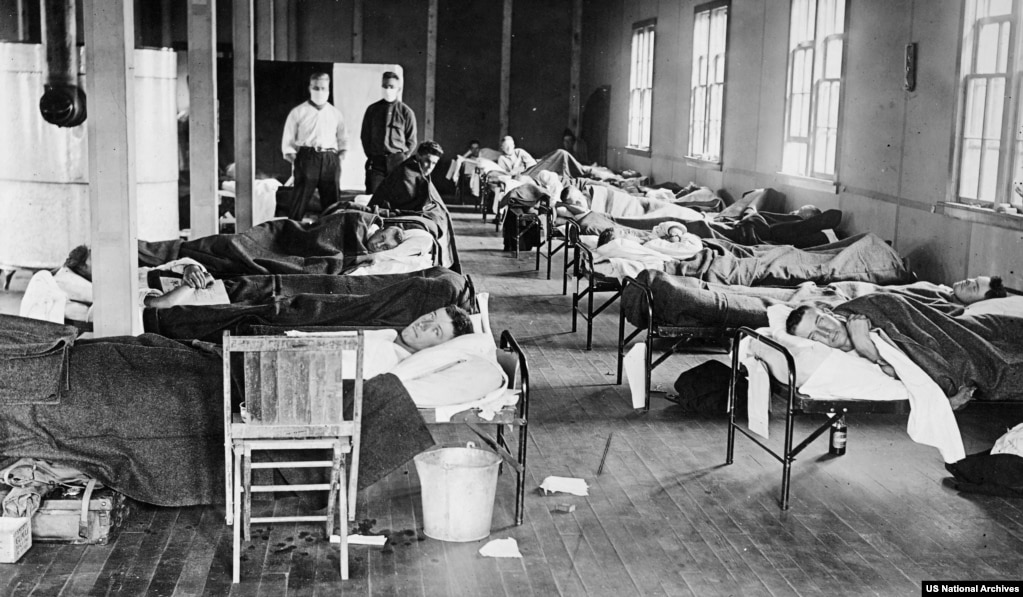
7 Men in a student-army training camp lie ill with the virus in Colorado in 1918.
Estimates of the number killed around the world range from 17 million to 100 million. According to the World Health Organization, 2-3 percent of those infected died.
Estimates of the number killed around the world range from 17 million to 100 million. According to the World Health Organization, 2-3 percent of those infected died.
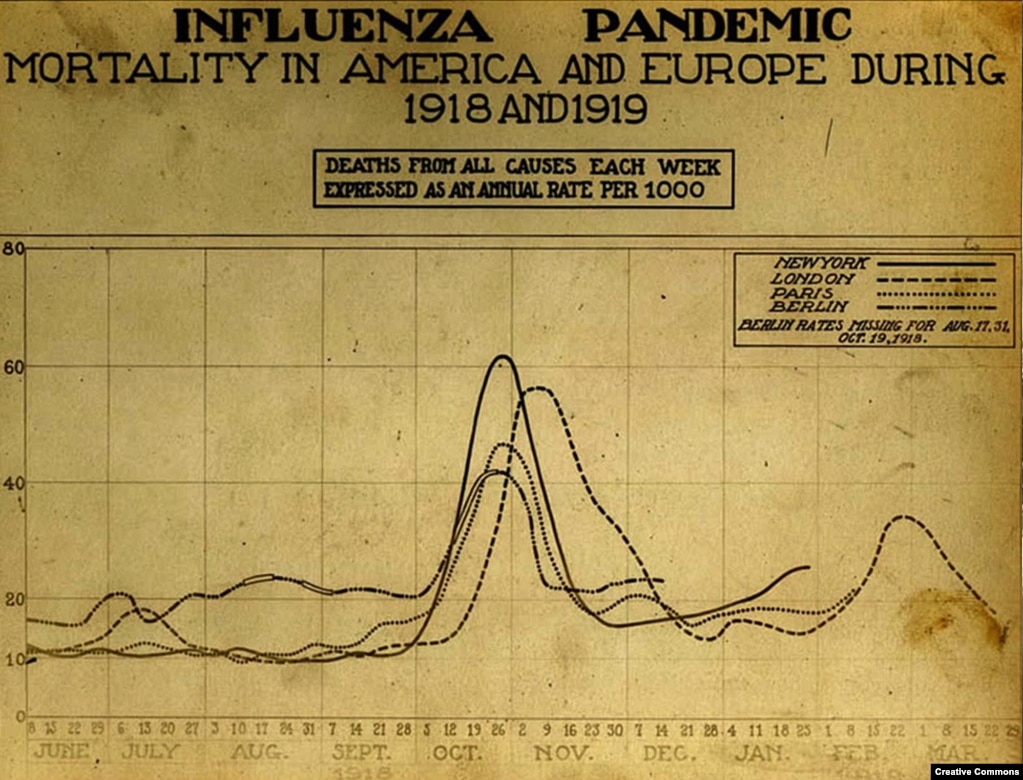
8 A chart showing the dramatic spike in deaths in the autumn of 1918, when the "second wave" of the virus swept the world. The influenza was particularly lethal for people in their physical prime, with the average age of death around 28.

9 A gravely ill young man in the United States in November 1918
It is believed the virus sparked cytokine storms among healthy adults -- the overreaction of vigorous immune systems so severe that patients were effectively killed by their own bodies' immune response.
It is believed the virus sparked cytokine storms among healthy adults -- the overreaction of vigorous immune systems so severe that patients were effectively killed by their own bodies' immune response.
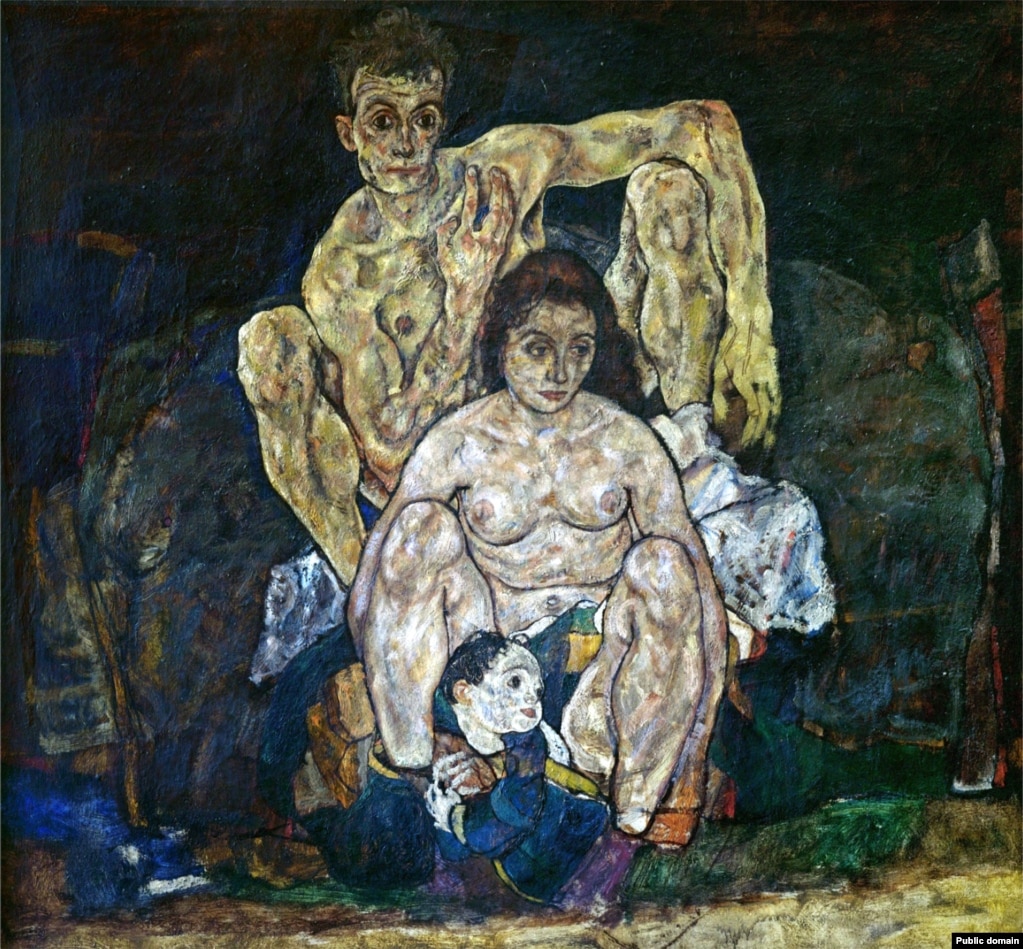
10 The terrible human cost of the outbreak is immortalized in this painting by Austrian artist Egon Schiele. The Family, painted in 1918, depicts Schiele proudly looking over his wife, Edith, and a small child. In reality, Edith was infected and died of the flu while six months' pregnant on October 28, 1918. Three days later Schiele also succumbed to the virus. He was 28 years old.
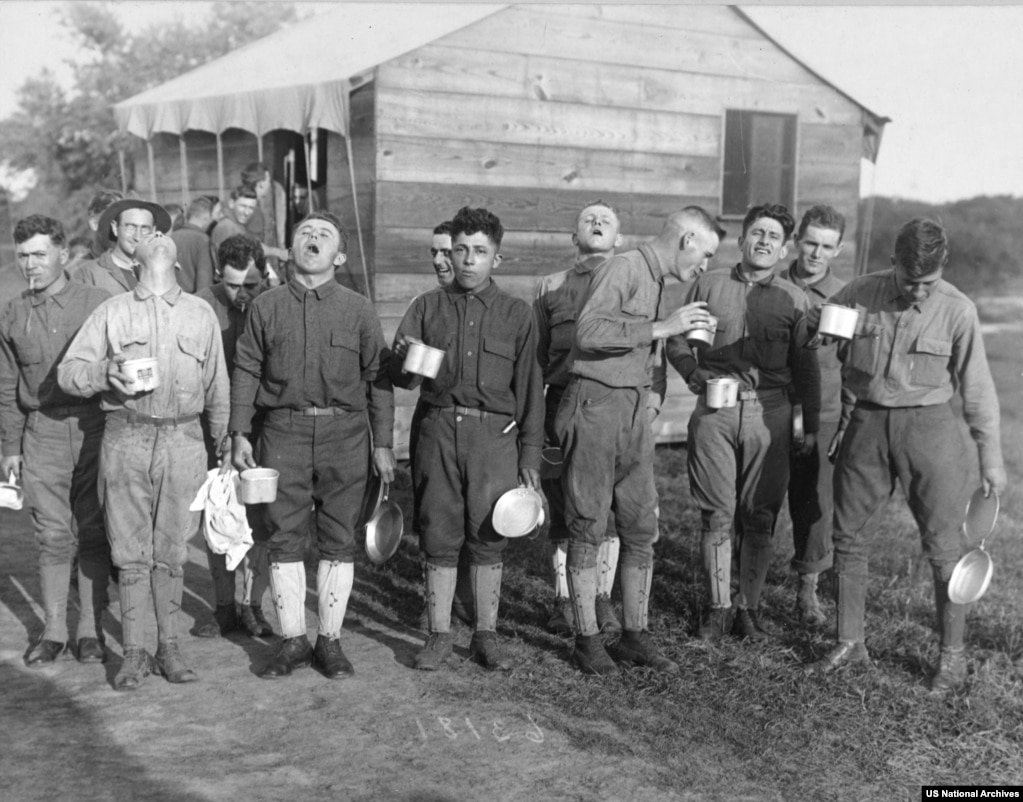
11 Men at a U.S. military base gargling with salt water -- one of many questionable "preventative measures" advised to stop the virus's spread.
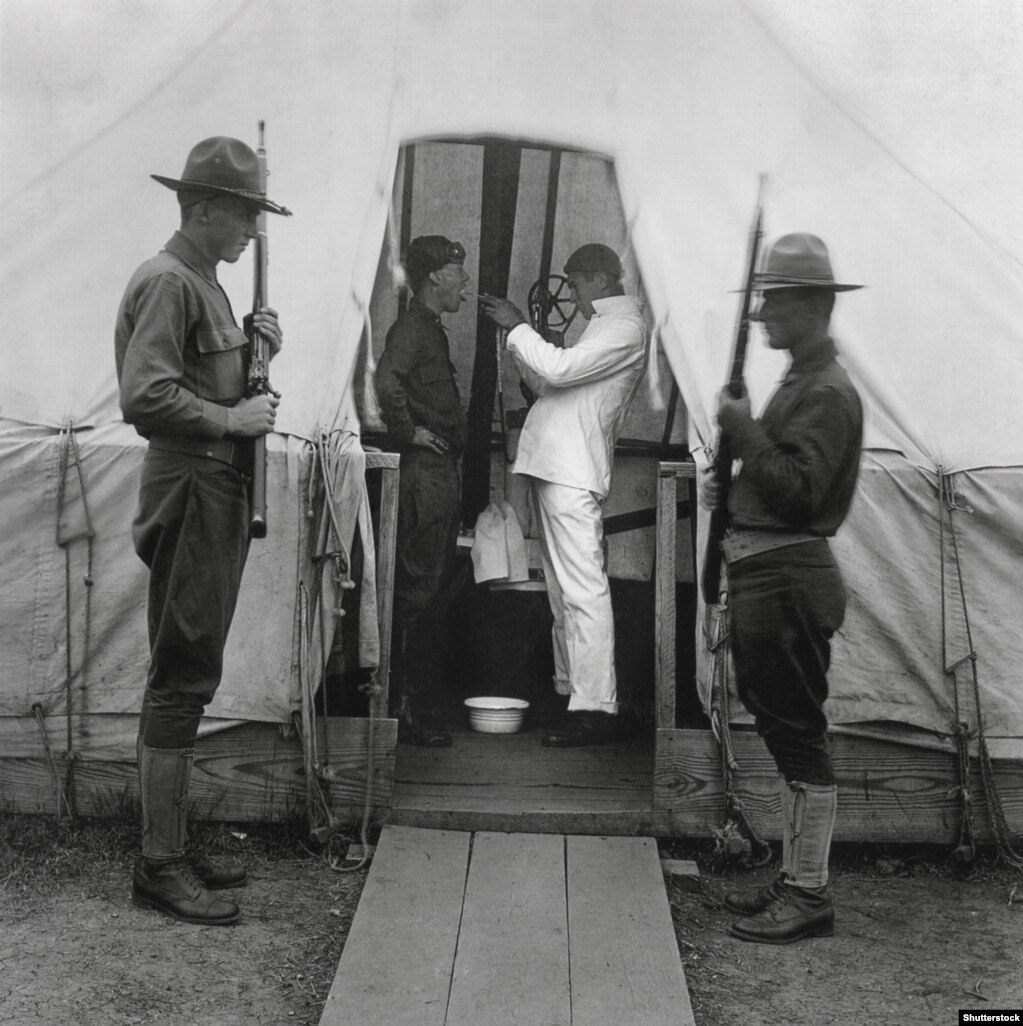
12 A U.S. soldier receives a disinfectant throat spray, which would later be shown to be ineffective.
Perhaps the most unusual attempt to halt the pandemic was a "black wedding" held in Odesa in today's Ukraine. Black weddings were a somewhat fringe Jewish ritual for warding off pestilence by marrying two of society's "most unfortunate" in an elaborate ceremony held in a cemetery. One such wedding took place
in an Odesa graveyard on October 1, 1918. The unusual nuptials were celebrated with a feast and the couple was "showered with expensive gifts."
Perhaps the most unusual attempt to halt the pandemic was a "black wedding" held in Odesa in today's Ukraine. Black weddings were a somewhat fringe Jewish ritual for warding off pestilence by marrying two of society's "most unfortunate" in an elaborate ceremony held in a cemetery. One such wedding took place
|
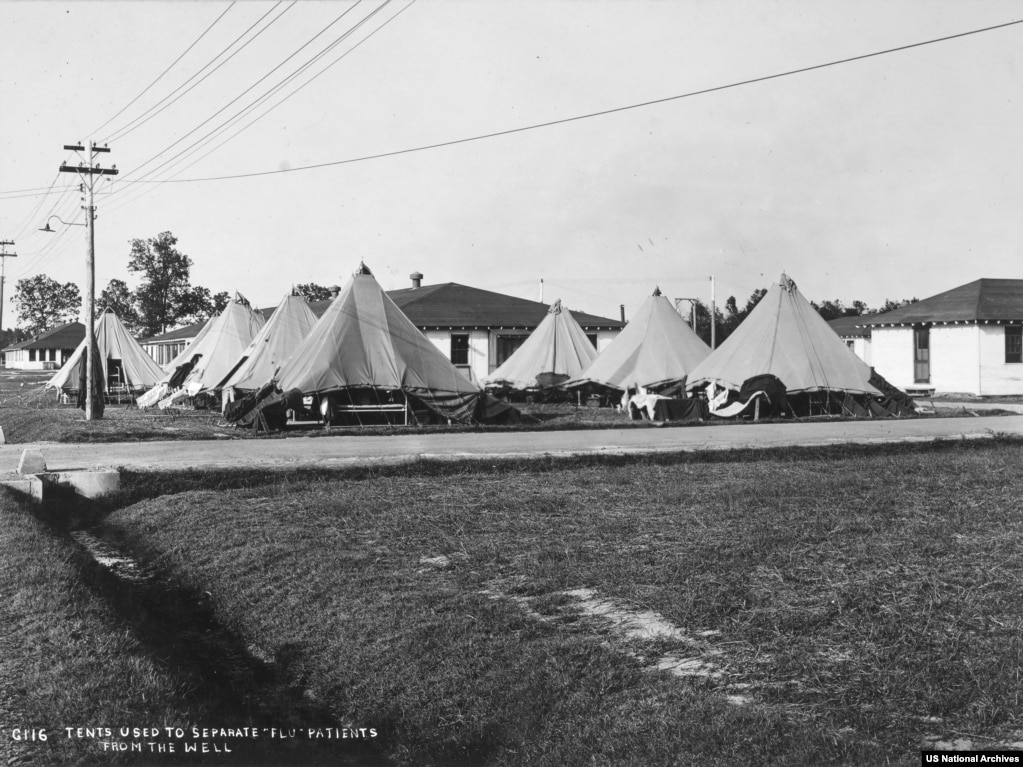
13 Tents used to house flu patients in Arkansas in 1918
With no vaccine against the virus and antibiotics not yet discovered, only isolation and personal hygiene were effective in minimizing the Spanish flu's spread.
With no vaccine against the virus and antibiotics not yet discovered, only isolation and personal hygiene were effective in minimizing the Spanish flu's spread.
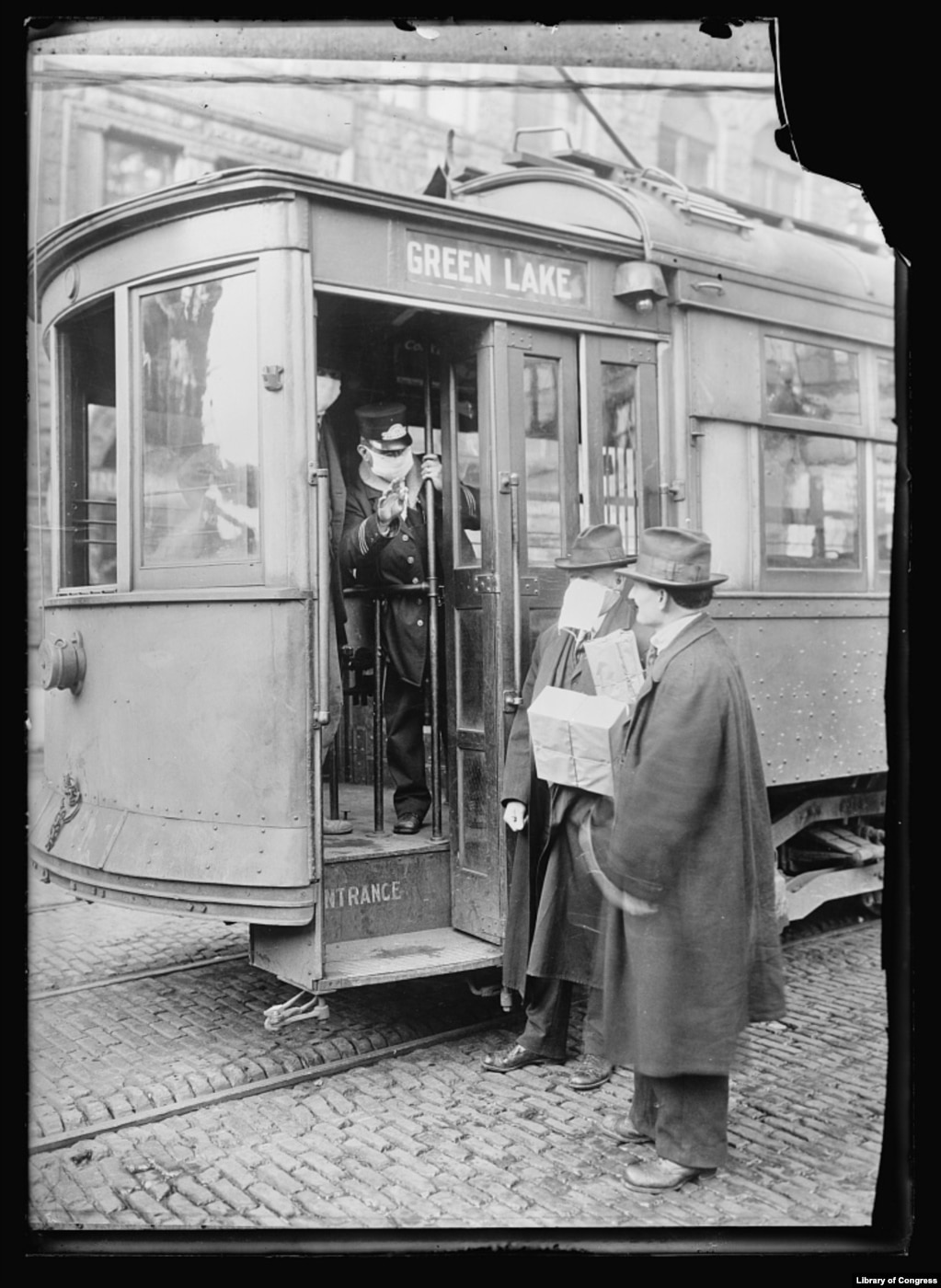
14 Facemasks are used as a precaution against the flu in Washington state in 1918-1919. By 1920, the spread of the virus had effectively ended.

15 Microbiologist Terrence Tumpey studies a sample of the 1918 flu virus in 2005. The strain was reconstructed after scientists extracted lung tissue from victims of the pandemic who were buried outside a remote village in Alaska.
Before the outbreak of the coronavirus, which originated in China in late 2019, Tumpey said: "I think we also really have to be concerned about some of the bird-flu viruses that we see in Asia that are jumping from birds to humans and causing severe disease. If one of those viruses somehow figured out a way to spread efficiently from human to human, then we would have another pandemic on our hands."
Before the outbreak of the coronavirus, which originated in China in late 2019, Tumpey said: "I think we also really have to be concerned about some of the bird-flu viruses that we see in Asia that are jumping from birds to humans and causing severe disease. If one of those viruses somehow figured out a way to spread efficiently from human to human, then we would have another pandemic on our hands."
Deepak Punjabi
Baguio City
__._,_.___
Posted by: Deepak Punjabi <indigoblue2005@yahoo.com>
| Reply via web post | • | Reply to sender | • | Reply to group | • | Start a New Topic | • | Messages in this topic (1) |
To subscribe send email to hindi_jokes-subscribe@yahoogroups.com
To unsbscribe send email to hindi_jokes-unsubscribe@yahoogroups.com
hindi_jokes@yahoogroups.com email here to post your sms,jokes and pictures.
www.facebook.com/ganeshkumble21 Join with us on face book
You are interested to moderate hindi jokes group?
Mail me at ganeshkumble2014@gmail.com
To unsbscribe send email to hindi_jokes-unsubscribe@yahoogroups.com
hindi_jokes@yahoogroups.com email here to post your sms,jokes and pictures.
www.facebook.com/ganeshkumble21 Join with us on face book
You are interested to moderate hindi jokes group?
Mail me at ganeshkumble2014@gmail.com

.


__,_._,___


 Posts
Posts


0 comments:
Post a Comment